

Modern Television Journalism in the Digital Age
Introduction: Unique Complexities of TV Journalism
Television reporting is undoubtedly among the most complex forms of journalism. While written reports rely on text and radio journalists leverage voice clarity and nuances to convey messages effectively, TV journalists must employ a diverse set of skills.
Today, TV reporters must master visual composition based on aesthetics, techniques for conveying messages, and the use of modern editing tools to create impactful news content. According to the Reuters Institute for the Study of Journalism in 2024, TV journalism in the digital era faces unprecedented challenges and opportunities, requiring a redefinition of traditional journalistic skills.
Transformation of TV Journalism in the Digital Age
The boundary between traditional television journalism and digital content production is blurring. According to the Pew Research Center, over 71% of American adults now consume news via digital platforms, up from just 35% a decade ago. This fundamental shift requires TV journalists to adapt their approach.
Media Convergence: Beyond Traditional Television
Modern TV journalists must prepare stories for multiple platforms. Christiane Amanpour, a renowned international journalist, emphasizes: “A modern TV journalist must be able to tell a story in different ways across platforms. This requires multidimensional thinking and mastery of diverse media tools.”
Key Elements of Modern TV Reporting
1. Visuals: The Primary Language of TV Journalism
Visuals are the most powerful narrative element in TV reporting. Research from Stanford University shows that viewers remember visual information 300% more than verbal content. Modern TV reporters utilize advanced technologies such as:
- 8K and HDR cameras for high-resolution and dynamic range imagery
- Drones for aerial and unique shots
- 360-degree cameras for immersive experiences
- Advanced lighting techniques for compelling visual effects
According to Adam Westgate, BBC Head of Cinematography: “Even in breaking news, image quality is critical. Digital audiences are sensitive to visual aesthetics.”
2. Sound: Enhancing the Visual Narrative
High-quality audio profoundly affects audience comprehension. The Academy of Television Arts & Sciences found that poor sound quality can reduce a report’s impact by up to 40%. Modern TV journalists employ:
- Wireless digital microphones with environmental noise reduction
- Multichannel recorders for simultaneous audio capture
- AI-based audio processing to improve quality in challenging environments
3. Storytelling: The Art of Combining Audio and Visuals
TV storytelling requires an artistic integration of sound, visuals, and speech. Research from Columbia University shows that reports with cohesive narrative structures are up to 65% more effective. Modern storytelling techniques include:
- Non-linear narratives – layering information for depth
- Interactive graphics to convey complex data
- Data-driven storytelling using visualizations to display trends and statistics
- Personalized narratives through human stories and real experiences
Advanced TV Reporting Techniques
1. Data-Driven Reporting
Data journalism has become a cornerstone of TV reporting. According to the Investigative Reporters & Editors (IRE), 78% of leading news networks employ data journalism units. In this approach:
- Data is gathered from databases and APIs
- Processed using advanced analytical software
- Visualized with visualization tools to create compelling imagery
- AI identifies patterns in large datasets
2. Advanced Interview Techniques
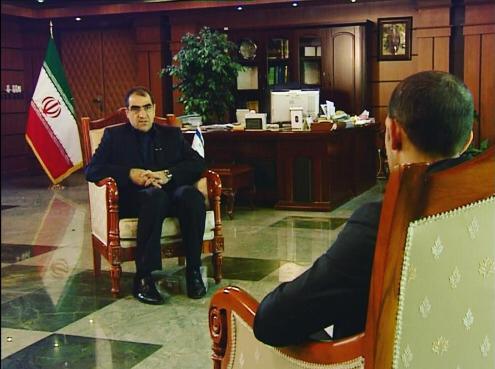
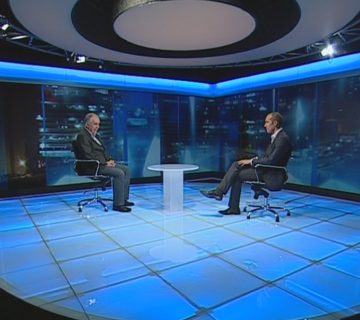
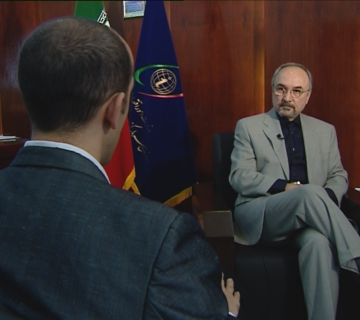
Interviews remain the heart of TV journalism but have evolved. Anderson Cooper emphasizes: “A successful TV interview combines thorough research, active listening, and follow-up questions.” Modern methods include:
- Multimedia interviews integrating text, visuals, and interactive elements
- Remote interviews with studio-quality setups
- Augmented Reality (AR) to provide supplementary information during interviews
- Psychological techniques to build deeper rapport with interviewees
3. Advanced Editing and Post-Production
Digital tools have revolutionized editing. According to the American Editors Association, 92% of news editors use cloud-based systems for remote collaboration. Modern editing tools include:
- Non-linear editing software with advanced capabilities
- Cloud-based systems for remote teamwork
- Color correction and grading tools for enhanced aesthetics
- Visual effects engines for dynamic graphics
- AI for draft editing, speech-to-text, and smart archival searches
Challenges in Digital-Age TV Journalism
1. Speed vs Accuracy
The biggest challenge is balancing speed with accuracy. Duke Media Research Center shows that pressure for faster news can increase reporting errors by up to 35%. Solutions include:
- Implementing rapid fact-checking protocols while maintaining accuracy
- Using automated alert systems to flag suspicious information
- Promoting an organizational culture prioritizing accuracy over speed
2. Evolving Audience Expectations
Modern audiences expect reports to be interactive, personalized, and engaging. Martin Baron, former editor of the Washington Post, notes: “Today’s audience wants to participate in the news process, not just receive it passively.”
3. Competing with Social Media
Social media has become a serious competitor. Strategies include:
- Creating exclusive, high-value content unavailable on social platforms
- Using social media as a complement, not a rival
- Developing multichannel distribution strategies to expand reach
- Focusing on credibility and reliability as a competitive advantage
Essential Skills for 21st-Century TV Journalists
1. Technical Skills
Modern TV journalists must master:
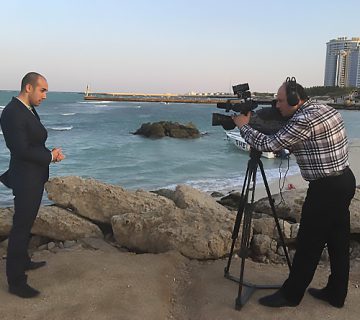
- Digital recording equipment and mobile videography
- Editing software such as Adobe Premiere Pro, Final Cut, DaVinci Resolve
- Content management systems (CMS) and digital publishing platforms
- Emerging technologies such as AR, VR, and AI
- Basic programming knowledge for data-driven journalism tools
2. Storytelling Skills
Storytelling remains the core of TV reporting:
- Ability to craft compelling narratives using dramatic elements
- Writing for visual media (not print)
- Translating complex information into understandable content
- Creativity in designing angles and unique approaches
3. Analytical and Research Skills
Depth and quality of research differentiate professional journalism:
- Critical analysis of information and source verification
- Fact-checking and corroboration from multiple sources
- Working with large datasets and deriving valuable insights
- Understanding scientific research methods and applying them to journalism
The Future of TV Journalism
The future depends on technological advances and cultural shifts. Emerging trends include:
1. Convergence with AR and VR Technologies
Networks like CNN and Al Jazeera are pioneers in using AR and VR for reporting, enabling:
- Simulated news environments for better audience comprehension
- 3D interaction with data instead of traditional 2D displays
- Immersive experiences placing viewers at the heart of events
- Digital reconstruction of events for deeper analysis
2. AI-Powered Personalized News
AI allows journalists to tailor content for different audience segments. According to the Reuters Institute, 64% of news organizations are investing in intelligent recommendation systems.
3. Omnidirectional Journalism
Omnidirectional journalism, a new paradigm, involves covering all angles of a story:
- Using multi-layered narratives
- Optimizing content for diverse platforms
- Allowing audiences to explore and discover
- Combining different media types for storytelling
Conclusion: The Art and Science of TV Reporting
21st-century TV journalism is far more complex than ever. Modern TV reporters must be artists, technicians, researchers, storytellers, and social media specialists. Yet, the essence remains: narrating important stories in a clear, engaging, and impactful way.
As Christiane Amanpour notes: “Technology and tools change, but the fundamental principles of journalism – honesty, accuracy, objectivity, and serving the public interest – remain constant.” Journalists who balance enduring principles with modern advances will thrive in today’s dynamic media industry.
TV journalism today is a blend of science and art – the science of using advanced technology and the art of telling stories that capture the minds and hearts of viewers.





No comment