

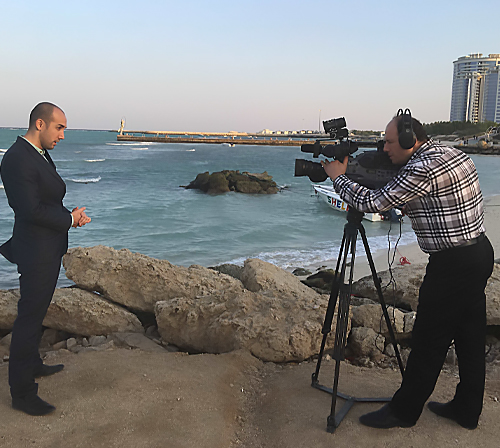
Principles for Producing Successful Television News Reports
The Importance of Clarity in TV Reports
To successfully engage viewers, television news reports must be understandable. Clarity is essential; without it, other aspects of delivering a TV report lose their meaning.
TV news reports should have clear writing, structured information, and a lucid presentation so that viewers can grasp them at first viewing. As a journalist working in broadcast media, you have only one opportunity to reach your audience.
Typically, viewers cannot return to the report and watch it again. The key to connecting with the audience is clear, straightforward editing and maintaining a logical sequence in the news content.
Main Elements of an Effective TV Report
- Report Text: Should be clear and organized.
- Words: Should be simple and consistent with the content.
- Grammar: Must be correct; even a single grammatical error can undermine your credibility with some viewers.
- Pronunciation: Should be accurate, with letters articulated correctly.
- Report Rhythm: Should be smooth so that viewers can follow and understand the news on the first viewing.
- Tone of Voice: Should match the content and meaning; the context of the topic must be considered (e.g., using a humorous tone in a funeral report is unacceptable).
- Sound and Image: Should support the news and add objectivity, not complicate it.
Coordinating Elements in Report Production
Skill in combining these elements – text, language, speech, tone, proper rhythm, sound, and image – results in a new entity called a “television report.” Whenever any of these elements are inconsistent or misaligned, the result is nothing but audience doubt regarding the report.
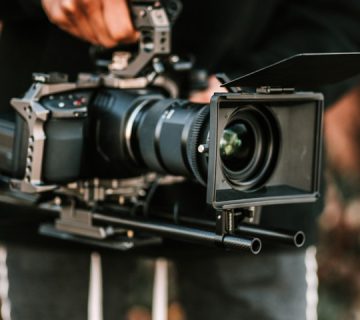
To produce a clear and transparent report, the news team must have journalistic skills essential for gathering appropriate information and visuals: skills in cinematography for capturing shots and recording sound, directing skills for preparing the report for broadcast, and presenting skills for reading the report text.
Principles of Editing and Logical Sequence
Reviewing and selecting footage allows us to shorten real-time coverage. Rarely do we present events exactly as they occurred, as otherwise, news segments would extend for hours.
Editing (Montage)
Editing is fundamentally similar to writing text. When a print journalist interviews someone, they gather the parts intended for publication, but these are not necessarily presented in the same order as spoken.
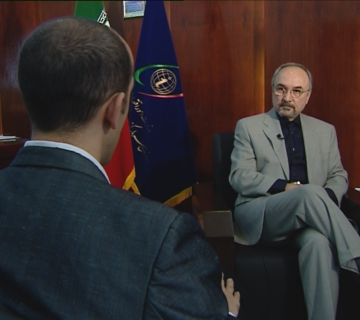
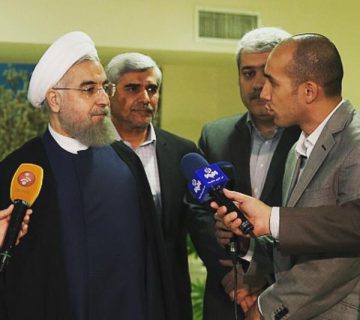
TV journalists similarly select images and segments of interviews (sound bites) and arrange them in a logical order to narrate the news. In both cases, the journalist organizes these segments to present the story with a coherent sequence.
Key Points in Reviewing and Selecting Footage
During the review and selection stage – just like writing text – ensure not to mislead the viewer. For example, if covering an all-day event where an unexpected conflict lasted only thirty seconds, focusing solely on that incident without context misleads the audience.
Guidelines for Upholding Truth
- Consider yourself the viewer’s representative at the event site.
- Report what happens fairly, ensuring your report accurately reflects reality.
- If your report lacks a critical element necessary for an accurate and fair representation, make every effort to address this deficiency.
Responsibility for Report Quality
Supervisors evaluate you based on your ability to deliver strong reports within the assigned timeframe, regardless of time pressures. However, if you realize that a report in preparation is unfit for broadcast, you must inform the director immediately so there is enough time to find additional material to complete the news segment.





No comment